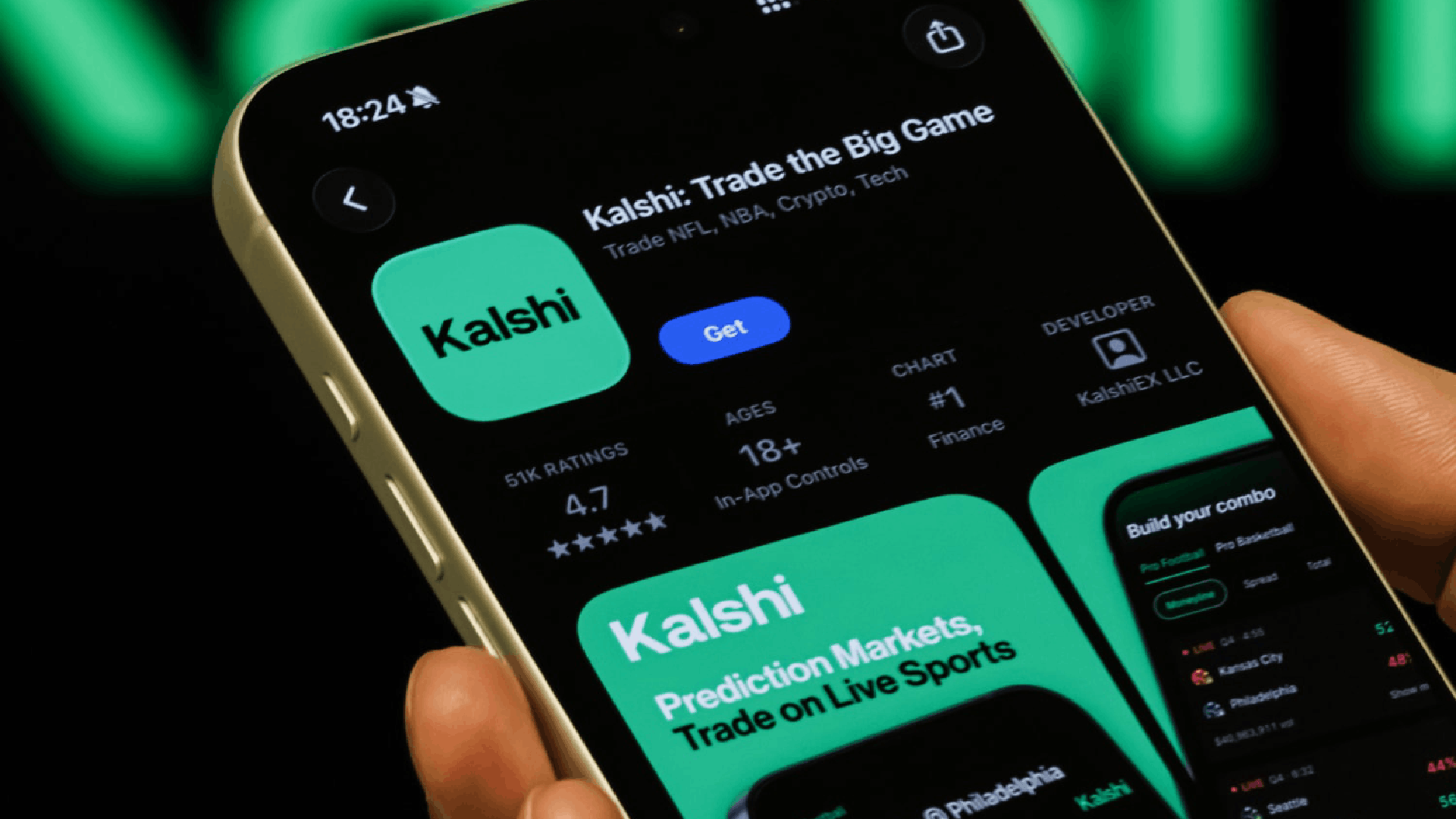
National Council on Problem Gambling Has Grave Concerns About Prediction Markets
Since the internet trading platforms started offering contracts for sporting events last year, discussions regarding prediction markets have dominated the gaming sector. Since then, the cutting-edge sector has gained widespread attention. The Commodity Futures Trading Commission's decision to strengthen the prediction markets' capacity to provide trading on the results of anything from the Lakes-Kings game to what President Donald Trump might say during a press briefing was covered by major media outlets.
Concerns about the absence of consumer protections in relation to prediction trading are being voiced by the National Council on Problem Gambling (NCPG). State gaming laws do not apply to sites like Kalshi and Polymarket since the CFTC regulates prediction markets as a financial instrument.
States that permit sports gambling mandate that their licensed sportsbooks have responsible gaming policies and encourage responsible play. The CFTC doesn't.
“The buying and selling of futures contracts via prediction markets carries substantially similar levels of risk to the consumer as traditional sports betting, including risks associated with chasing losses, impulsive behavior, financial harm, and the development or escalation of gambling-related harm,” the CFTC said in calling on prediction markets to include the 1-800-MY-RESET National Problem Gambling Helpline.
“Consumers engaging with prediction markets may not recognize their activity as functionally gambling, irrespective of whether legally defined as such, and may therefore be less likely to demonstrate responsible gambling behavior or seek support for a gambling problem,” the nonprofit continued.
Too Young to Place a Bet
The only national nonprofit organization in the country committed to reducing the financial and societal consequences of gambling addiction is the NCPG. The Washington, DC-based group is neither in favor of nor against legalizing gambling.
The NCPG states that the fact that prediction markets are available to anyone who is at least 18 years old poses a significant risk to gambling addiction. The minimum age to wager is 21 in most states that permit casinos and sports betting.
"Research consistently shows that young people are at greater risk of developing gambling problems due to cognitive immaturities and a limited ability to adequately assess risk. That’s why the vast majority of states set the legal gambling age at 21 for sports betting and casino access,” Cole Wogoman, the NCPG’s director of government relations and league partnerships, told Casino.org.
“Limiting gambling to those 21 and older is a critical consumer protection measure, one that recognizes the unique vulnerabilities of youth and helps reduce the likelihood of harm before it starts,” Wogoman added.
Do Prediction Markets Provide Tools for Responsible Gaming?
Players can use a variety of tools to control their play at all regulated sportsbooks and online casinos. The apps and websites offer a variety of protections, such as deposit and time limitations and cooling-off periods.
On its website, Kalshi does include a section dedicated to "responsible trading." Users can set deposit restrictions, self-exclude from the platform, take voluntary breaks, and use Birches Health's mental health services.
There isn't a responsible trading program at Polymarket. The National Problem Gambling Helpline is not included on sportsbooks that have transformed into prediction markets, such as DraftKings Predictions and FanDuel Predicts, although they do offer responsible trading centers.